
Skip to content
All services

Cloud Security Review

Cloud estates change every week. We inspect identity, networking, logging and service configuration to find where the current environment has moved away from the intended design.

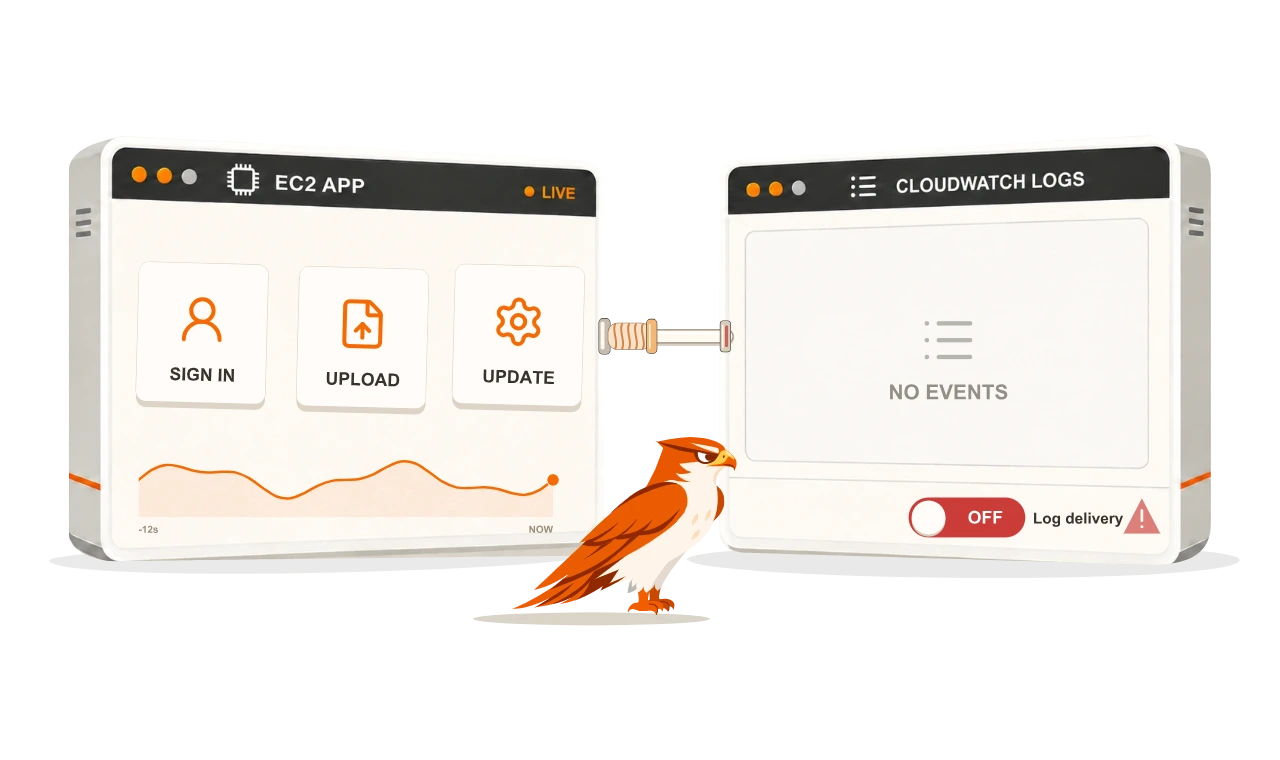
The eagle restores missing CloudWatch logging so cloud activity becomes visible.

Who this is for

Teams running production workloads in AWS or Azure that want an independent technical review of the current configuration.

  • You run production workloads in AWS or Azure and want an independent check.
  • Your estate has spread across accounts or subscriptions since it was designed.
  • You pay for security services you are not sure are switched on or read.
Common scenarioThe cloud estate has grown across several accounts or subscriptions, and the team wants to check that access, logging and network controls still match the original design.
Security services
GuardDutyDisabled
WAFMisconfigured
CloudTrailEnabled
S3 encryptionMisconfigured
VPC Flow LogsDisabled
IAM MFAEnabled

What the evidence says

Independent findings from the last year, with the report each one comes from.

  • 21%of Google Cloud break-ins began with misconfigurationSource: Google Cloud
  • 48%of breaches involved a third partySource: Verizon

What the evidence says

Independent findings from the last year, with the report each one comes from.

Attackers now get into cloud through the software you run on it

44.5%Up from 2.9% in the first half of 2025

of initial access to Google Cloud environments in the second half of 2025 came through vulnerabilities in third party software run by the customer, up from 2.9% six months earlier. Weak or absent credentials accounted for 27.2% and misconfiguration for 21%.

Initial access vectors, Google Cloud incidents, second half of 2025

This is why the review covers what you run on the platform as well as the platform settings themselves.

Three quarters of third parties have not fixed weak cloud MFA

23%

of third party organisations had fully fixed missing or improperly secured multifactor authentication on their cloud accounts. Breaches involving a third party reached 48% of all breaches, up 60% in a year.

23 in every 100 third parties had fixed it

This is why identity and access paths are reviewed first, including the accounts your suppliers hold.

Suppliers are the most common way into UK organisations

18%The most common way in for UK organisations

of UK breaches began with a third party vendor or supply chain compromise, ahead of phishing (16%) and compromised credentials (11%).

Most common initial attack vectors in UK breaches

This is why the report gives your infrastructure team specific remediation work rather than a list of principles.

How the engagement runs

  1. Understand the estate

    Confirm the architecture, accounts, subscriptions, regions and services included in the review.

  2. Inspect the core controls

    Review identity policies, network boundaries, encryption, logging and administrative access.

  3. Check security tooling

    Verify the configuration and coverage of services such as GuardDuty, WAF, CloudTrail, Security Hub, Defender, ASR and Sentinel.

  4. Review software exposure

    Check running services and deployed software against known vulnerabilities.

  5. Work through the remediation

    Explain the priority, affected resources and recommended change for each verified issue.

Configuration audit
IAM & access controls4 findings
Network segmentation2 findings
Encryption at rest3 findings
Logging & monitoring5 findings
Storage permissions2 findings
Compute hardening1 finding

Why we work this way

  • Cloud configuration changes quickly

    New services and temporary access can quietly change the risk of an environment that was sound six months ago.

  • General guidance misses local context

    A control only makes sense when it is considered alongside your architecture, users and operating model.

  • Misconfigurations are easier to fix early

    An exposed bucket or excessive role can usually be corrected cleanly before it becomes part of an incident.

Day 1Baseline configured
Month 2New S3 bucket: public ACL
Month 4IAM policy widened for deploy
Month 6GuardDuty disabled to reduce cost
Now17 misconfigurations found

What you receive

A Cloud Security Review report that documents the affected resources, evidence and remediation steps, followed by a working session with your infrastructure team.

  • IAM, networking, and access control review
  • Service configuration audit (GuardDuty, WAF, CloudTrail, Security Hub)
  • Azure: E5 licence optimisation, ASR, Defender, phishing configuration
  • CVE exposure check against running services
  • Prioritised findings with remediation steps

Sample report, fictional client

Cover1 / 5
Pages in this sample

Why choose us for this work

  • AWS engineering experience

    Our consultants build and maintain the AWS services behind our platform and apply that operational experience during the review.

  • Azure E5 knowledge

    We check whether the security features included in your Microsoft licensing are configured and useful.

  • Infrastructure and application controls

    The review follows exposure across cloud configuration and application controls instead of stopping at an organisational boundary.

Planning this work?

Talk to our team about Cloud Security Review

Book a consultation